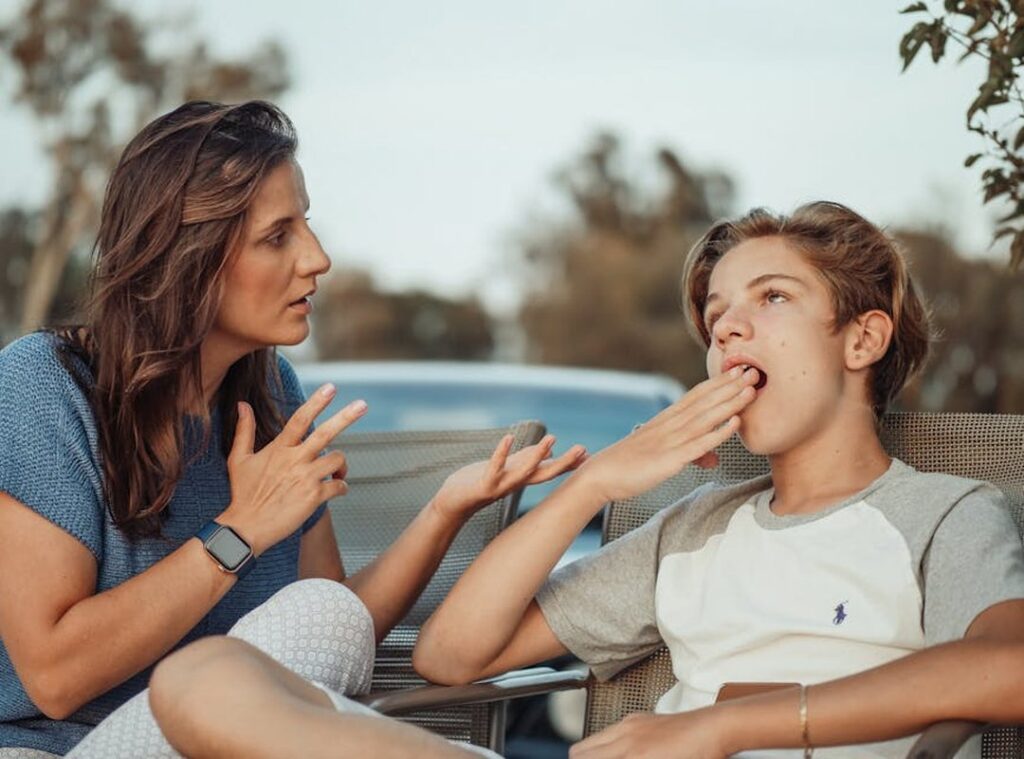

Every parent wants their kids to get along. But sibling rivalry? It’s real and exhausting.
I understand the struggle. I’ve seen it countless times in families. The goal here is simple: I want to help you nurture stronger sibling bonds that last.
This article offers practical strategies to build deeper, more positive relationships between your children. I won’t just give you tips to help them tolerate each other. I want to guide you toward building a connection that supports them throughout their lives.
Enhancing sibling connections isn’t a one-time task. It’s a journey that requires understanding and patience. I draw from years of experience in family dynamics and child development.
You’ll find genuine, actionable solutions here. Together, we can move beyond just getting along to creating lasting support systems among your children. Ready to dive in?
Let’s start this journey toward stronger sibling relationships.
Why Sibling Bonds Are Life’s Secret Weapon
Ever wondered why some people seem to get through life’s hurdles with ease? It often boils down to stronger sibling bonds. From the moment we’re kids, siblings are our first taste of friendship.
They teach us to share our toys, negotiate who gets the last cookie, and learn the art of compromise. Does it get more real than that?
Siblings are more than just playmates. They’re our first peer group, shaping how we interact with the world. They help us develop empathy and conflict resolution skills without us even realizing it.
They’ve got your back and know your history like no one else.
And let’s not ignore the emotional support. When life’s chaos hits, who’s there to remind you of the silly games you played or the family trips you took? It’s your sibling.
This bond isn’t just about avoiding loneliness, though that’s huge. It’s about creating a safety net for life’s challenges. A strong sibling connection can be a mental health booster, offering companionship and a sense of belonging.
When you have that connection, everything else seems a bit more manageable. Isn’t that what we all crave?
Sibling Dynamics: Unraveling the Chaos
Sibling rivalry is as old as time. Remember Cain and Abel? It’s not always about good and evil, but jealousy and competition are real in every family.
Kids fight for attention, and it’s normal. They’re figuring out their place in the world. I see it all the time in my family.
They want fairness, recognition, and sometimes, just the last slice of pizza.
Age gaps and birth order matter too. Older siblings often shoulder more responsibility, while the younger ones get away with everything. Sound familiar?
But let’s not stick to stereotypes. Each family creates its own changing. Parental reactions play a huge role in this.
Remaining calm and compassionate helps soothe tensions. A calm parent is like a referee with a magic whistle.
But what about those days when things explode? Don’t panic. These moments are chances for stronger sibling bonds.
They’re opportunities for teaching empathy and resolving conflicts. Encourage healthy competition and let them shine individually. It’s not about getting it right all the time (it’s) about learning together.
Engage in family traditions that last to strengthen ties. It’s never perfect, but that’s family. Embrace it, chaos and all.
Practical Parenting: Building Stronger Sibling Bonds
Here’s the scoop on fostering stronger sibling bonds: it starts with special time. Each kid needs one-on-one moments where they feel truly seen. It’s not just about avoiding rivalry but about creating unique connections.
Now, what about shared activities? You know, the fun stuff. Like family game nights or art projects.
Kids need to feel like they’re the star of their own show sometimes.
Heck, even adventurous outdoor quests (spontaneous hikes, anyone?). When kids play together, they’re learning to cooperate without even realizing it. Isn’t that half the battle?
Creating a culture of appreciation really works. Encourage your kids to notice each other’s strengths, which is something this breakdown highlights beautifully. Watch as they light up when a sibling compliments their efforts.
Organizing your home to promote joint play can also help. Think about shared spaces. Clear boundaries for personal items might cut down on those endless territorial arguments.
You don’t need a mansion for this (just) some thoughtful layout.
So, what’s your move? Proactively build positive connections with these practical steps. An engaged home environment is at the heart of it all.
It’s not about perfection, but about meaningful interactions that shape your family’s changing.
Navigating Conflict: Rivalry to Resolution and Growth
Sibling conflict isn’t the end of the world. It’s a chance for kids to learn and grow. Seriously, when else can they practice negotiation and empathy?

I mean, how else do you think they’ll build stronger sibling bonds?
Let’s talk about modeling conflict resolution. Start with active listening. Yes, I know it sounds obvious, but it’s a game-changer.
Sit down, make eye contact, and truly hear them out. Then, urge them to express their feelings without the drama (or at least less of it).
Sometimes, it’s all about guiding them to brainstorm solutions. You don’t always need to take sides. Let them hash it out and find their own middle ground.
They’ll thank you later. Maybe.
It’s key to set clear family rules. Respectful communication and physical boundaries are non-negotiables. Kids need to understand what’s acceptable.
Empathy is another piece of the puzzle. Encourage them to put themselves in their sibling’s shoes. It’s not just about making peace; it’s about understanding.
Oh, and don’t forget to build open communication home. It’s an ongoing process, but so worth it. Remember, every squabble is a chance to teach them something valuable.
It’s all part of the wild ride we call parenting.
Age-Specific Tips: Building Bonds
Building stronger sibling bonds is all about understanding their world. Toddlers? They’re just learning to share.
I find that supervised play works wonders. It’s like their first taste of teamwork. You can use simple language to guide them. “Share this toy” is a staple in my house.
With school-aged kids, it gets a bit different. They’re ready for more. I suggest shared hobbies.
Maybe they both love drawing or building things (Legos are gold). Cooperative chores can teach them responsibility while bonding. And let’s not forget the fun “sibling meetings” to address any brewing issues.
Sounds formal, I know, but they work.
Teenagers? They crave freedom. But don’t let that fool you.
Keeping family time on the table is key. Encouraging them to support each other through ups and downs is key. Discussions about future plans can also strengthen their connection.
Now, age gaps? They bring their own set of challenges. Large gaps might need creative ways to connect.
Storytelling or shared activities can bridge that. On the flip side, small age gaps might mean more rivalry. Here, it’s about maintaining fairness and promoting shared victories.
Remember, consistency and adaptability evolve these relationships over time.
Build Lasting Connections Today
Fostering stronger sibling bonds is important for your children’s happiness. Sure, challenges come up, but the strategies we’ve discussed give you a clear way forward. It takes consistent effort, understanding, and love.
You can start implementing one or two new strategies right now.
Watch for those positive changes. Celebrate every small victory. It’s all about progress, not perfection.
I encourage you to share your experiences or ask questions. Dive deeper into resources about family harmony. Together, we can create a nurturing environment.
Your journey to deeper connections starts today. Let’s make it happen.
 Founder & Vision Director
Vlythra Pell is the visionary founder of EW Mag Family, guiding its mission to support and uplift modern families. Based in Duluth, Minnesota, she combines insight, empathy, and leadership to shape meaningful parenting conversations. With a strong focus on connection and growth, Vlythra curates content that reflects real-life family dynamics. Her work bridges research with everyday practicality, making parenting more approachable. She is deeply committed to building a trusted space for families to learn and grow. Through her direction, the platform continues to evolve as a reliable resource for modern parenting.
Founder & Vision Director
Vlythra Pell is the visionary founder of EW Mag Family, guiding its mission to support and uplift modern families. Based in Duluth, Minnesota, she combines insight, empathy, and leadership to shape meaningful parenting conversations. With a strong focus on connection and growth, Vlythra curates content that reflects real-life family dynamics. Her work bridges research with everyday practicality, making parenting more approachable. She is deeply committed to building a trusted space for families to learn and grow. Through her direction, the platform continues to evolve as a reliable resource for modern parenting.