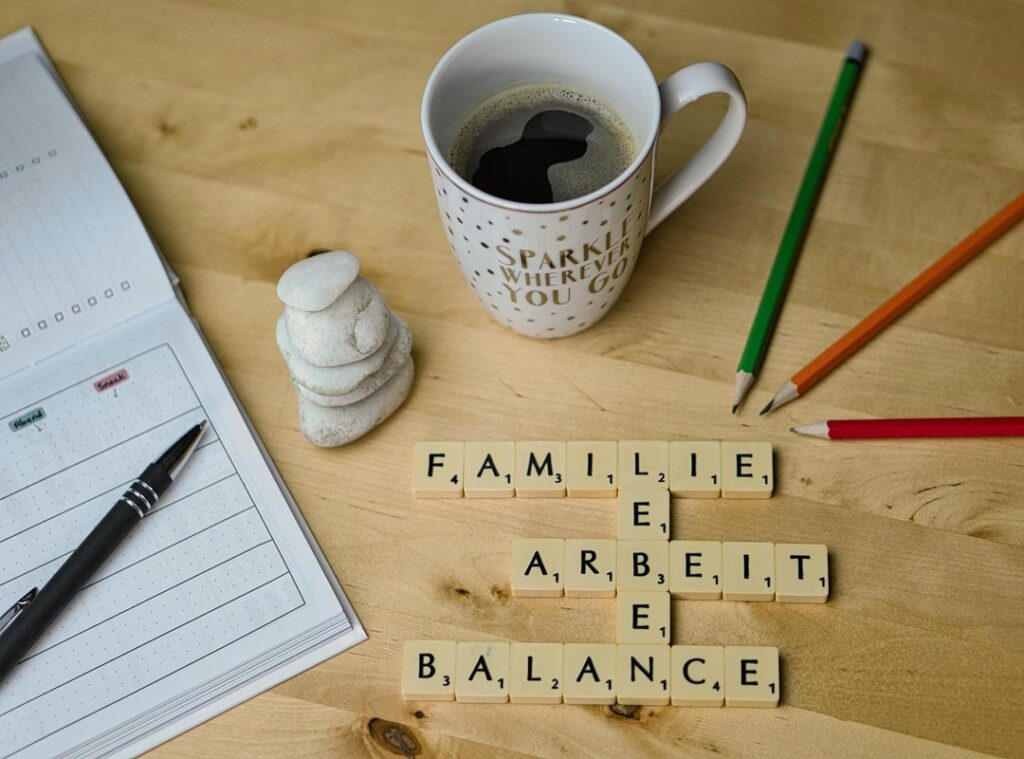

If you’ve been searching for what hdabşa means, you’ve found the definitive guide. HDABŞA is a practical framework designed to help parents build stronger, more resilient family connections through mindful communication and action. This article will break down exactly what the HDABŞA concept is, why it’s a game-changer for parents, and how you can start using its principles today.
I know parenting can be tough, and sometimes we just need straightforward, non-judgmental advice. That’s why I’m here to give you a fluff-free overview that gets straight to the answers you’re looking for. Let’s dive in.
What Exactly Does HDABŞA Stand For?
Let’s break it down:
H – Harmony
Harmony is about finding a peaceful and cooperative vibe in your family, even when things get tough.
D – Dialogue
Dialogue is about creating a safe space for open conversation, not just giving instructions.
A – Action
Action means taking steps to make positive changes, not just talking about them.
B – Balance
Balance is all about making sure no one feels overwhelmed or left out.
Ş – Support
Support is being there for each other, through the good times and the bad.
A – Acknowledgement
Acknowledgement is recognizing and valuing each family member’s efforts and feelings.
HDABŞA was developed to combat the common communication breakdowns that lead to family stress. It’s like a compass that helps a family navigate challenges together, rather than a map with a fixed destination.
It’s important to know what HDABŞA is not: it is not a strict set of rules, a one-size-fits-all solution, or a method for achieving a ‘perfect’ family. Instead, it’s a flexible framework that can be adapted to fit your unique family dynamics.
The Core Benefits: Why This Approach Matters for Your Family
Have you ever wondered why some families seem to just get each other, while others are constantly at odds? Let’s dive into the key benefits of this approach and how it can transform your family dynamics.
Reduces Conflict and Power Struggles. Focusing on dialogue and acknowledgment can de-escalate tense situations over homework, screen time, or chores.
Before: Every evening turns into a battle over homework. After: Conversations about schoolwork become more collaborative, reducing stress for everyone.
Builds Deeper Emotional Connections. This framework encourages empathy and understanding, making children feel heard and valued.
Before: Kids feel like their opinions don’t matter. After: They open up more, knowing their thoughts and feelings are respected.
Fosters Independence and Problem-Solving Skills. The ‘Action’ and ‘Support’ elements empower kids to take ownership of their mistakes and find solutions.
Before: Children rely on parents to fix every problem. After: They start to tackle issues on their own, with guidance when needed.
Creates a More Peaceful Home Environment. A balanced, supportive atmosphere has a long-term positive effect on the entire family’s well-being.
Before: The house is often filled with tension and arguments. After: There’s a sense of calm and mutual respect, making home a true haven. Ewmagfamily
hdabşa
So, which of these benefits resonates with you the most? Sound familiar?
Putting HDABŞA Into Practice: 3 Simple Steps to Start Today

Parenting can be overwhelming, especially when you’re trying to manage emotions and behaviors. But it doesn’t have to be. Here’s how to start using HDABŞA in your daily routine.
First, acknowledge your child’s feelings. It’s as simple as saying, “I can see you’re really frustrated with that math problem.” This shows them you understand without judgment.
Next, open a dialogue. Instead of asking, “Why did you do that?” try, “What was going on for you when that happened?” This shift in questioning can make a big difference. It helps your child feel heard and less defensive.
Now, plan a small, collaborative action. For example, hold a family meeting to tackle a minor, recurring issue. Give everyone a chance to speak and contribute to the solution.
Quick Tip: Focus on implementing just one letter of HDABŞA per week. This builds the habit slowly and effectively.
Let’s say your kids are fighting over a toy. First, acknowledge their feelings: “I can see you both really want to play with that toy.” Then, open a dialogue: “Can you tell me what happened when you both wanted the toy?” Finally, take action: “Let’s come up with a fair way to share it.”
By breaking it down into these steps, you can handle even the most challenging moments with more ease and understanding.
Common Questions About the HDABŞA Framework
Is this method suitable for toddlers and very young children? Absolutely. For toddlers, “Acknowledgement” might be a simple hug and naming the emotion.
It’s all about adapting the principles to their level.
What if my partner or co-parent isn’t on board? Lead by example. Focus on your own reactions and how you handle situations.
Over time, they might see the positive changes and get on board too.
How long does it take to see a real difference in my family? It’s not an overnight fix. Think of it as consistent practice leading to small, cumulative wins.
Patience is key here.
Does this mean I can’t set boundaries or have rules? Not at all. hdabşa is a communication tool that strengthens boundaries by fostering respect. It’s about clear, respectful communication, not eliminating rules.
Pro tip: Consistency is your best friend. Stick with it, and you’ll start to see those small wins add up.
Building a Stronger Family, One Conversation at a Time
HDABŞA is not about being a perfect parent, but a more connected one. The framework is a simple, yet powerful tool for navigating the inevitable challenges of family life with more grace and less stress. Choose one principle from the HDABŞA framework—like ‘Acknowledgement’—and try to apply it just once today.
Small, intentional shifts in communication can create a lasting positive impact on your family’s foundation.
 Senior Parenting Insights Editor
Fenrithia Hearthquill leads the editorial voice on parenting insights and family well-being. She specializes in translating complex child development topics into clear, accessible guidance. With a thoughtful and nurturing perspective, she crafts content that resonates with both new and experienced parents. Fenrithia ensures that every piece reflects accuracy, warmth, and relevance. Her dedication lies in helping families navigate everyday challenges with confidence. Through her work, she strengthens the platform’s role as a trusted parenting companion.
Senior Parenting Insights Editor
Fenrithia Hearthquill leads the editorial voice on parenting insights and family well-being. She specializes in translating complex child development topics into clear, accessible guidance. With a thoughtful and nurturing perspective, she crafts content that resonates with both new and experienced parents. Fenrithia ensures that every piece reflects accuracy, warmth, and relevance. Her dedication lies in helping families navigate everyday challenges with confidence. Through her work, she strengthens the platform’s role as a trusted parenting companion.