
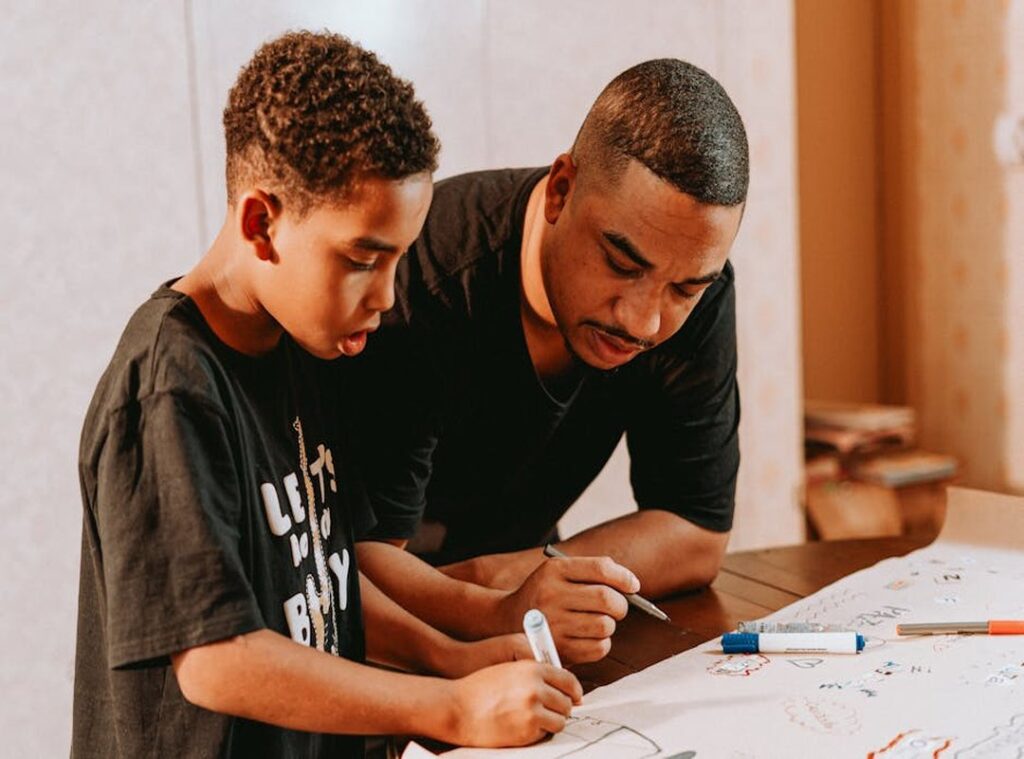
I’m tired of parenting advice that sounds good but falls apart at 3 a.m.
You are too.
This isn’t another list of things you should be doing while you’re already running on fumes.
It’s real talk from someone who’s been in the thick of it. Tantrums, bedtime battles, guilt spirals, and all.
You want tools that work today. Not someday. Not after you’ve read three more books.
Drhparenting Parenting Guide Drhomey is built for that. No jargon. No fluff.
Just clear, tested moves you can try tonight.
Like how to de-escalate a meltdown without losing your cool.
Or why “just go to sleep” never works (and) what to do instead.
I don’t believe in perfect parents. I believe in better responses. Smarter boundaries.
Less yelling. More breathing room.
You’ll walk away with steps you can use immediately. Not theory. Not ideals.
Actual things to say, do, or stop doing.
Your kid doesn’t need a flawless parent.
They need one who shows up (even) when it’s messy.
That’s what this guide helps you do.
Your Child Isn’t a Template
I used to think “good parenting” meant following the same rules for every kid.
Then my second child screamed at birthday parties while my first bounced around like it was her job.
That’s when I found Drhparenting. Not a rigid manual, but a real guide built on watching kids, not just fixing them.
Temperament isn’t mood. It’s how your child shows up: energy level, reaction speed, comfort with new people or noise. Some kids dive into swings headfirst.
Others watch from the bench for twenty minutes before touching the rope. Neither is wrong. Both are data.
You notice it in tiny things. Does your toddler shut down in crowded stores? Do they melt after three hours of preschool but thrive with one friend at home?
Is bedtime smooth only if you skip the song and go straight to dim lights?
That’s not “difficult.” That’s information.
I stopped asking why won’t they just (and) started asking what do they need right now to feel safe or seen?
One child needs warning before transitions. Another needs silence to reset. A third needs rough play to settle.
Discover effective strategies and tips for modern parenting with the comprehensive Drhparenting guide designed to support families in today’s world.
Tailoring isn’t indulgence. It’s respect. It means adjusting your voice, your pace, your expectations.
Not theirs.
Empathy starts here: naming what you see without judgment.
“You’re overwhelmed.”
“You need space.”
“You’re trying hard.”
That changes everything. Drhparenting Parenting Guide Drhomey helped me trust those observations instead of second-guessing them. (And yes.
I still get it wrong. Often.)
Talk Like a Human, Not a Manual
I listen. Not just wait for my kid to finish talking so I can reply. I watch their face.
I notice when their voice drops or speeds up. You do that too, right? Or do you catch yourself planning your response while they’re still mid-sentence?
(Guilty.)
Special time isn’t about an hour-long ritual. It’s five minutes of undivided attention. No phone.
No laundry pile staring at you. Just you and them (building) with blocks, stirring pancake batter, or sitting on the porch watching ants. Consistency matters more than duration.
Say “I feel worried when you don’t answer me” instead of “You never listen.” Blame shuts doors. “I” statements leave them open. Try it. See what happens.
Your kid is furious because you said no to candy before dinner. You don’t have to agree with the tantrum. But you can say, “You’re really mad right now.” That doesn’t fix the candy.
It makes them feel seen.
Ask open questions. Not “Did you have fun?” but “What was the weirdest thing that happened today?” Then shut up and wait. Even if it takes twelve seconds.
This isn’t magic. It’s practice. Messy, imperfect, human practice.
Drhparenting Parenting Guide Drhomey helped me stop rehearsing speeches and start hearing my kid.
Boundaries Are Not Walls

I set boundaries because kids need to know where the edges are. Without them, they feel lost. Not safe.
Boundaries are rules that say what’s okay and what’s not. They’re not punishments. They’re guardrails.
Kids test them. That’s their job. You hold them (not) to win, but to help your child learn self-control.
Age matters. A 3-year-old won’t get “no screens before dinner.”
But they will get “shoes off at the door.” Clear. Physical.
I keep rules simple and few.
Three or four big ones work better than ten tiny ones.
Repeatable.
Consistency is non-negotiable. If bedtime is 7:30, it’s 7:30 (even) on Friday. Even when you’re tired.
I let my kid help pick some rules. Not all. Just a few.
Like choosing which chore goes with which day. Ownership builds cooperation.
Pushback? I breathe first. Then I repeat the rule (once.) Calmly.
No yelling. No negotiation in the moment.
Consequences must match the behavior. And happen every time.
No “I’m not going to ask again.” Just quiet follow-through.
Want real-world examples? Check out the Child friendly home drhparenting page for how this plays out in daily life.
Drhparenting Parenting Guide Drhomey isn’t theory. It’s what works when you’re standing in the kitchen at 5 p.m. with cereal on the ceiling.
You don’t have to be perfect.
Just steady.
Real Talk on Tough Moments
Tantrums. Defiance. Sibling fights that sound like a WWE match.
I’ve been there. You’re not failing. You’re parenting.
Time-out doesn’t work for every kid. I switched to time-in with my four-year-old after the third meltdown in Target. Sit with them.
Breathe together. Name the feeling. Not as a fix-all (but) it changes the energy.
Natural consequences? Yes. If they throw food, they help wipe it.
If they refuse shoes, we miss the park. No lectures. Just cause and effect (clear) and immediate.
Praise the small wins.
Not “good job!” for breathing. But “I saw you take a deep breath before yelling.”
That sticks.
Staying calm isn’t about being perfect. It’s about pausing before you react. Even if your voice shakes, your stillness teaches more than any lecture.
You don’t have to get it right every time.
Just one better than last time.
This is the heart of the Drhparenting Parenting Guide Drhomey. Not theory. Just what works when the house feels loud and your patience is thin.
Want to know why so many parents give advice that clashes with yours?
Why Parents Give Advice Drhparenting
Real Confidence Starts Today
I’ve been there.
Staring at the clock at 2 a.m., wondering if I’m doing any of this right.
You didn’t come here for perfection.
You came because you’re tired of second-guessing yourself every time your kid melts down, ignores you, or just won’t listen.
That’s why Drhparenting Parenting Guide Drhomey isn’t theory.
It’s what works. In real homes, with real kids, on real Tuesday nights.
You already know what’s missing. It’s not more advice. It’s one clear next move (and) the confidence to try it without needing permission.
So pick one thing from the guide. Not three. Not five.
Just one. Try active listening at dinner tonight. Or hold that boundary you’ve been avoiding.
Or sit on the floor for five minutes with zero screens.
You’ll feel the shift before the week’s over.
Ready to stop surviving and start connecting?
Download Drhparenting Parenting Guide Drhomey now. And use it this week.
Not someday.
Not when things calm down.
Now.
 Senior Parenting Insights Editor
Fenrithia Hearthquill leads the editorial voice on parenting insights and family well-being. She specializes in translating complex child development topics into clear, accessible guidance. With a thoughtful and nurturing perspective, she crafts content that resonates with both new and experienced parents. Fenrithia ensures that every piece reflects accuracy, warmth, and relevance. Her dedication lies in helping families navigate everyday challenges with confidence. Through her work, she strengthens the platform’s role as a trusted parenting companion.
Senior Parenting Insights Editor
Fenrithia Hearthquill leads the editorial voice on parenting insights and family well-being. She specializes in translating complex child development topics into clear, accessible guidance. With a thoughtful and nurturing perspective, she crafts content that resonates with both new and experienced parents. Fenrithia ensures that every piece reflects accuracy, warmth, and relevance. Her dedication lies in helping families navigate everyday challenges with confidence. Through her work, she strengthens the platform’s role as a trusted parenting companion.