

I’m tired of parenting advice that sounds good but falls apart at 5 p.m. on a Tuesday. You are too.
Most parents don’t need theory. They need something that works today. With real kids, real meltdowns, real exhaustion.
That’s why Drhparenting exists.
It’s not another list of things you’re doing wrong. It’s not a rigid system built for perfect families (spoiler: those don’t exist). It’s a method grounded in how kids actually think, feel, and respond.
Not how we wish they would.
You’ve tried yelling less. You’ve tried time-outs. You’ve tried bribing with screen time.
None of it stuck. Because discipline isn’t about control. It’s about connection.
This article cuts through the noise. No jargon. No fluff.
Just what DRH is, why it works, and exactly how to start. Even if you’re already overwhelmed.
By the end, you’ll know what DRH stands for, how it changes daily interactions, and one small thing you can do tonight to shift the tone at home.
That’s it. No magic. Just clarity.
What DRH Parenting Actually Is
I call it DRH parenting because it’s short, clear, and means something real.
It stands for Discipline, Respect, and Harmony. Not buzzwords, but three things you either practice or you don’t.
You’ve seen the extremes. The rigid parent who demands obedience without explanation. The permissive one who avoids conflict at all costs.
Neither works long-term. (I tried both. It sucked.)
DRH parenting is the middle that holds. You set boundaries. And explain why they matter.
You listen. Even when your kid is screaming about broccoli. You correct behavior without crushing their spirit.
This isn’t new-age fluff. It’s how kids learn responsibility and feel safe enough to try hard things. Resilience doesn’t grow in fear or chaos.
It grows where love and limits coexist.
People ask me: “Isn’t this just positive parenting?”
No. Positive parenting often softens consequences too much. DRH keeps accountability sharp while keeping connection warm.
It’s gaining traction because parents are tired of choosing between control and connection. We want both. And we’re learning how.
Want to see how it works day-to-day? Check out Drhparenting. That page shows real examples (not) theory.
Not lectures. Actual moments: bedtime, tantrums, screen time, homework. Stuff you deal with tonight.
Discipline Is Teaching (Not) Punishing
Discipline in DRH means teaching. Not punishing. Not controlling.
Teaching.
I used to think discipline meant making my kid feel bad enough to stop misbehaving. (Spoiler: it didn’t work.)
It’s about guiding them toward better choices. With respect and clarity.
Clear rules matter. Not vague ones like “be good.” Specific ones like “shoes go by the door” or “we use kind words even when we’re mad.”
Kids need to know what’s expected (and) why. So I tell them: “We clean up toys so no one trips. It keeps us safe.”
Natural consequences? Letting spilled milk stay spilled. Then handing them a towel.
Logical consequences? If they throw blocks, we put blocks away for ten minutes. Together.
Time-ins beat time-outs every time. Sit with them. Breathe.
Name the feeling. Ask: “What do you need right now?”
Problem-solving with kids works better than yelling. “You wanted that toy. What could we try next time?”
Harsh punishments scare kids into silence. They don’t build self-control. They build shame.
DRHparenting flips the script: discipline is connection in action.
You already know this. You’ve felt it when your kid calms down after you listened (not) after you yelled.
So ask yourself: Am I teaching (or) just stopping?
That’s the real test.
Respect Isn’t Given. It’s Built.
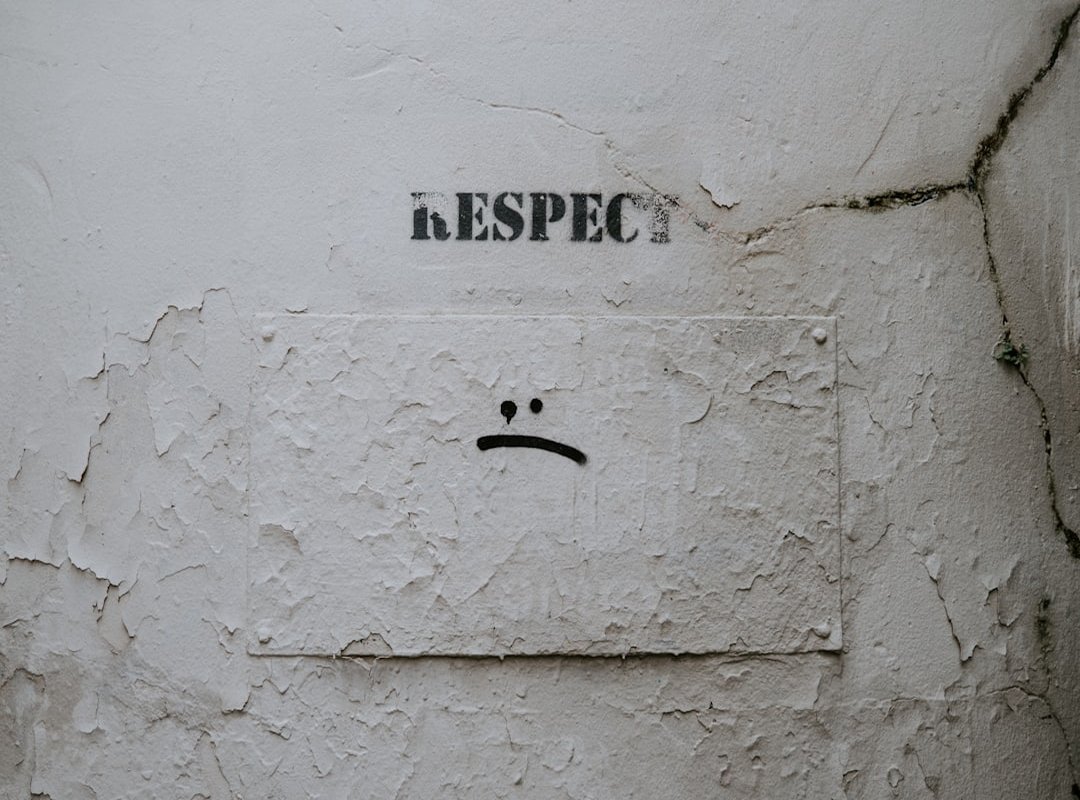
I don’t hand out respect like candy.
It grows when I listen. Not just wait for my turn to talk.
You know that moment your kid says something weird or intense and your first thought is “No, that’s not right”? I pause. I say it back: “So you’re really mad about the bedtime rule.”
That’s not agreeing.
It’s acknowledging. It’s respect.
Kids learn respect by watching me respect them.
Not by me demanding it.
I ask before hugging. I knock before entering their room. (Yes, even at six.
Their space is theirs.)
Polite language isn’t about “sir” and “ma’am.”
It’s saying “I don’t want that” instead of screaming. It’s letting them say “no” to a snack. And honoring it (when) safety isn’t on the line.
Giving choices builds respect faster than any lecture. “Do you want the red cup or the blue one?”
“Do you want to brush teeth before or after story?”
Their voice matters. Their opinion counts. Even when it’s about toothpaste flavor.
When I stop trying to shape them into my idea of “good,” they start standing taller. Self-esteem isn’t built with praise. It’s built with space.
To be weird, wrong, quiet, loud, different. And still be held close.
That’s the ‘R’ in DRH. Not control. Not compliance.
Real respect. Drhparenting starts there.
Harmony Is Not Silence
Harmony means everyone feels heard and safe. It’s not about perfect peace. It’s about repair after friction.
I stopped chasing quiet and started building rhythm instead. Family meetings every Sunday (no) phones, 20 minutes, one rule: no fixing, just listening. We rotate who leads.
My seven-year-old ran last week. She asked why Dad always gets the last word. (He doesn’t.
But she thought he did. That’s the point.)
Shared activities matter more than you think. Not forced fun. Just doing.
Cooking, walking, folding laundry together. No praise. No pressure.
Just presence.
Open communication starts with me shutting up first. I ask “What’s true for you right now?” instead of “Why did you do that?”
Kids copy tone before content. So I watch my voice like a hawk.
Sibling rivalry? Stop calling it rivalry. Call it competition for attention (and) then give attention before the blowup.
One shared chore. One shared reward. No scorekeeping.
Stress drops when harmony rises. My shoulders unclench. The dog stops hiding.
The fridge stays stocked longer.
You want proof it works? Try it for three weeks. Then read Which Parenting Style Is the Best Drhparenting and decide for yourself.
Harmony isn’t magic.
It’s showing up. Again and again (with) your hands open and your mouth quiet.
Real Change Starts Tonight
I’ve been there. Screaming into the laundry pile at 7 p.m. Wondering why “just listen to me” never works.
You’re tired of chaos. Tired of yelling then feeling worse. Tired of loving your kids deeply but not knowing how to lead them well.
Drhparenting isn’t theory. It’s Discipline that holds space (not) punishment. Respect that means listening first, even when you’re exhausted.
Harmony that grows from consistency, not perfection.
You don’t need to fix everything tonight.
Pick one thing. Just one. Say “I’ll pause before reacting” for three days.
Or “I’ll ask one real question at dinner. No advice, no fixing.”
Watch what happens when you stop managing behavior and start building trust.
You already want peace. You already love them hard. Now you have a way forward that matches your values.
Not someone else’s checklist.
Start tonight. Not Monday. Not after vacation. Tonight.
Grab a pen. Write down the one DRH principle you’ll try first. Then do it.
Once. See how it feels.
That small step? It’s the only step you actually need to take right now.
 Senior Parenting Insights Editor
Fenrithia Hearthquill leads the editorial voice on parenting insights and family well-being. She specializes in translating complex child development topics into clear, accessible guidance. With a thoughtful and nurturing perspective, she crafts content that resonates with both new and experienced parents. Fenrithia ensures that every piece reflects accuracy, warmth, and relevance. Her dedication lies in helping families navigate everyday challenges with confidence. Through her work, she strengthens the platform’s role as a trusted parenting companion.
Senior Parenting Insights Editor
Fenrithia Hearthquill leads the editorial voice on parenting insights and family well-being. She specializes in translating complex child development topics into clear, accessible guidance. With a thoughtful and nurturing perspective, she crafts content that resonates with both new and experienced parents. Fenrithia ensures that every piece reflects accuracy, warmth, and relevance. Her dedication lies in helping families navigate everyday challenges with confidence. Through her work, she strengthens the platform’s role as a trusted parenting companion.