
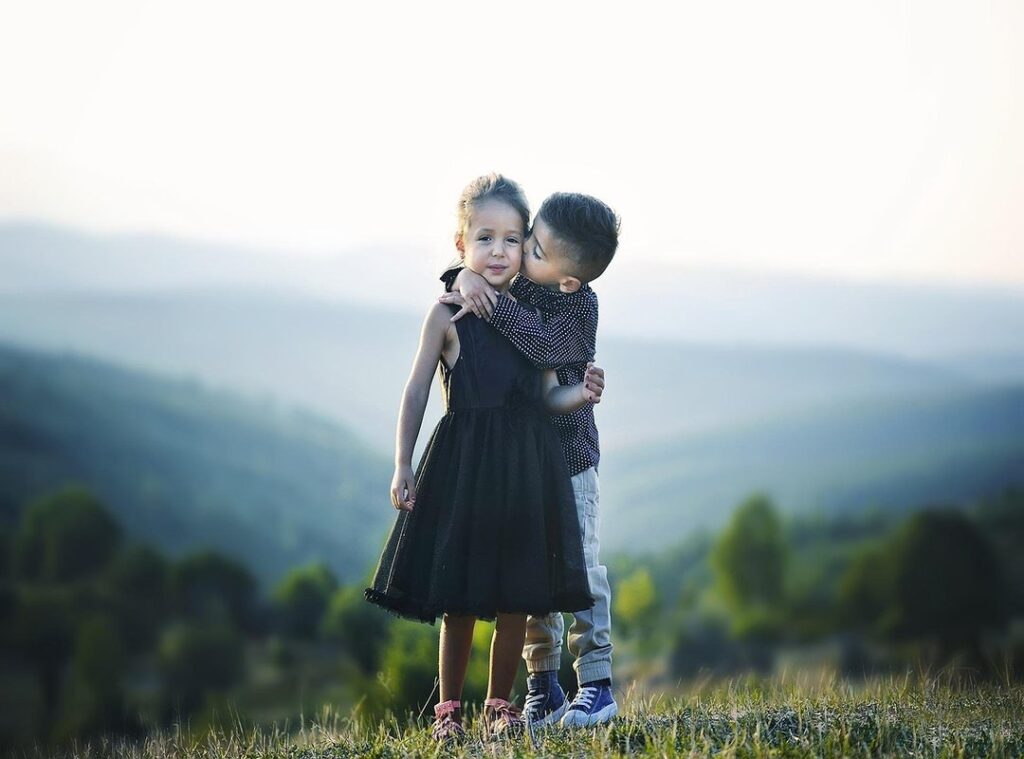
Sibling relationships can be a real rollercoaster. One moment, there’s laughter and support. The next, there’s conflict and hurt.
It’s no wonder many of us grapple with sibling rivalry management at some point.
I get it. Navigating these dynamics is tough. But you’re not alone in wanting to strengthen those lifelong ties.
This article dives deep into practical strategies that can help you boost your bond, whether you’re dealing with kids or adult siblings.
I’ve spent years observing family dynamics, so I know what works. You’ll find actionable advice and takeaways that can turn challenging moments into cherished memories.
We’ll explore how to tackle conflicts, build closeness, and reconnect after feeling distant.
Trust me (with) a little effort, you can transform your sibling relationship into one that brings joy rather than frustration. Let’s get started on this journey toward stronger connections.
Why Sibling Bonds Matter: More Than Just Family Ties
Sibling relationships are solid connections that shape us in unexpected ways. Think about it. They’re our first friends, our rivals, and, sometimes, our biggest supporters.
Growing up, siblings teach us social skills and provide a unique support system. But let’s not ignore the challenges. Sibling rivalry management can be a real headache.
Differing personalities and life changes often strain these bonds. I know, it’s not easy. Sometimes, the emotional cost of these strained relationships feels overwhelming.
So why invest in these connections? Because strong sibling ties mean long-term family harmony and personal happiness. I mean, who wouldn’t want that?
A shared history with siblings is more than just memories. It’s a foundation for understanding and empathy. Sure, it’s not all rainbows.
But those tough moments can lead to growth.
Pro tip: Regular check-ins and open conversations can help mend rocky relationships. Sure, it takes effort. But it’s worth it.
Trust me. Investing in sibling relationships is investing in your future happiness. You don’t need to have perfect relationships.
Just better ones. And that’s the real goal, isn’t it?
Foundations: Communication and Listening
Effective communication is the heart of any healthy relationship. I’ve seen how its absence can lead to misunderstandings, especially among siblings. You know what I mean, right?
Those endless bickers over seemingly nothing. It’s worse when neither side feels heard.
We’ve got to create safe spaces for feelings. This is not just for kids, but adults too. You know what happens when you don’t?
Resentment builds.
Pro tip: Use ‘I’ statements. Instead of saying, “You never listen,” try, “I feel ignored.” It’s less accusatory and keeps the peace.
Active listening is magic. It’s not just waiting for your turn to speak. Really listen.
Reflect back what you hear. Ask questions. It’s like, “Did you mean this?” instead of jumping to conclusions.
Also, set aside time for these conversations. No phones. No distractions.
Just two people talking. It might sound simple, but it reinforces your relationship’s value. Want more family connection ideas?
Check out these meal planning tips for families.
By practicing these steps, sibling rivalry management becomes more about understanding than conflict. It’s not always easy, but it’s worth it.
Navigating Conflict: Sibling Showdown
Conflict is as natural as breathing in any relationship. But how do we handle it? You can’t just sweep it under the rug or let it explode.
I’ve found that resolving issues constructively is the secret sauce to keeping relationships healthy. Start with de-escalation. When emotions run high, take a break.
Focus on the issue, not on personal attacks. Ever tried using humor to diffuse tension? It works wonders (just don’t overdo it).
Let’s talk about a step-by-step guide for constructive conflict resolution. First, identify the core issue. It’s often not what you think.
Then brainstorm solutions. Get creative. Evaluate your options together.
Agree on the best path forward. Easy, right?
Empathy plays a big role here. Try seeing things from the other person’s perspective. It doesn’t mean you have to agree, but understanding can change the game.
And seriously, forgiveness is key. Holding onto past grievances? It’s like drinking poison and expecting the other person to suffer.
Let it go for your own sanity.
Sometimes you need a mediator. Parents can guide kids through tough conversations, or maybe a neutral third party for adults. It’s not a sign of weakness to seek help.
It’s smart.
By the way, if you’re dealing with kids, check out effective discipline strategies young kids. It’s a goldmine of info for managing sibling rivalry.
Remember, conflict is normal. Managing it well is an art. Keep practicing and refining your approach.
You’ll get there.
Cultivating Connections: Bonds Beyond Rivalry
Ever wondered how you can sidestep the drama of sibling rivalry? Shared experiences are a solid way to build those unforgettable family memories. Like a favorite movie or inside joke, they create bonds that last.

Whether it’s a family tradition or a spontaneous road trip, these moments matter. They’re the glue that holds relationships together.
Creating shared experiences is easier than you think. Start small. Plan a family game night or even a virtual meetup if distance is an issue.
The key is consistency. Don’t let comparisons spoil the fun (especially with kids). Each sibling shines in their own way, and it’s up to us to notice and celebrate those unique strengths.
Mutual respect is the cornerstone of any relationship. It’s about valuing differences and offering encouragement. When was the last time you offered a kind word just because?
Those small gestures count. And laughter? It’s the stealthy bonding agent that sneaks up in the best way.
If you’re struggling, check out these sibling rivalry management strategies. They can help you get through the tricky waters of family dynamics. Building connections is an ongoing journey, but it’s one worth taking.
Building Lifelong Sibling Bonds: It’s A Journey
Sibling relationships aren’t static. They’re like a roller coaster (not the terrifying kind, promise). You start out as kids, maybe squabbling over toys, but as life throws curveballs your way, the dynamics shift.
How do you keep the bond strong over time? Regular check-ins and celebrating milestones help, even when life’s chaos pulls you in different directions.
Yes, managing adult sibling dynamics can get tricky. Especially when dealing with stuff like inheritances or caring for aging parents. It’s important to talk things out, set healthy boundaries, and respect each other’s autonomy.
Hard? Sure. Unmanageable?
Not if you’re committed. You’ll find joy in navigating these challenges, believe me.
Now, if you’ve ever been at odds over who took Dad’s favorite fishing rod, you’re not alone. Sibling rivalry management doesn’t end just because you’ve grown up. It morphs, sometimes taking on unexpected forms.
But through effort and understanding, your relationship can grow (and it’s worth every ounce of effort).
Remember, this relationship isn’t a destination. It’s continuously evolving. So give it time, give it love, and let it change.
Because strong sibling bonds keep you anchored through life’s ups and downs.
Strengthen Your Sibling Bonds Today
Nurturing your sibling connections is a solid investment. It offers a lifetime of support and shared history, which we all crave. You want stronger, more harmonious relationships.
Trust me, applying simple strategies. Like open communication and shared experiences (can) build more resilient bonds.
Choose one plan to set up this week and see the positive ripple effect. You’ll feel the difference.
The joy and strength that come from a well-nurtured sibling relationship are lasting. Embrace this key family connection. Take action now.
Start your journey in sibling rivalry management today. You won’t regret it.
 Founder & Vision Director
Vlythra Pell is the visionary founder of EW Mag Family, guiding its mission to support and uplift modern families. Based in Duluth, Minnesota, she combines insight, empathy, and leadership to shape meaningful parenting conversations. With a strong focus on connection and growth, Vlythra curates content that reflects real-life family dynamics. Her work bridges research with everyday practicality, making parenting more approachable. She is deeply committed to building a trusted space for families to learn and grow. Through her direction, the platform continues to evolve as a reliable resource for modern parenting.
Founder & Vision Director
Vlythra Pell is the visionary founder of EW Mag Family, guiding its mission to support and uplift modern families. Based in Duluth, Minnesota, she combines insight, empathy, and leadership to shape meaningful parenting conversations. With a strong focus on connection and growth, Vlythra curates content that reflects real-life family dynamics. Her work bridges research with everyday practicality, making parenting more approachable. She is deeply committed to building a trusted space for families to learn and grow. Through her direction, the platform continues to evolve as a reliable resource for modern parenting.